Glass frits, ceramic glazes, and ceramic bonding solutions are complex materials systems, engineered through chemistry and processing to exhibit specific thermal, mechanical, electrical, and chemical performance in demanding applications. These products are all made using diverse combinations of raw materials, with each formula designed to deliver the required performance and to optimize any further necessary processing. Proper raw material selection directly impacts the handling, melting, adhesion, consistency, and manufacturing efficiency as well as the final performance.
Understanding the role and specification of individual raw materials is essential for manufacturers developing glass frits, glazes, and ceramic bonding solutions that must perform consistently under challenging operating conditions.
Why Raw Material Selection Matters in Frits, Glazes, and Bonds
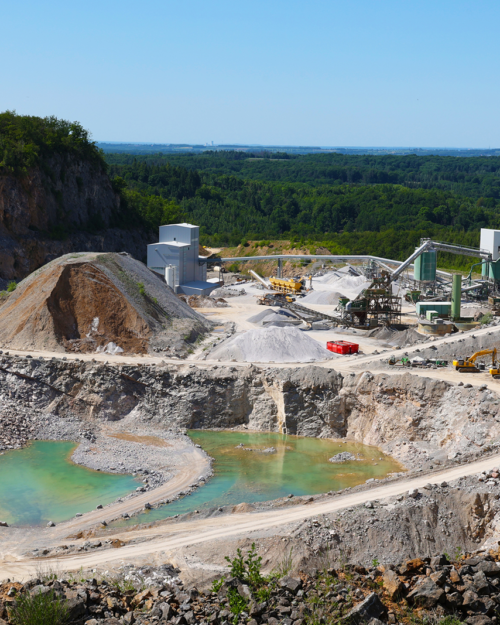
Ceramic raw materials begin as natural minerals that first must be mined from the earth and then processed into a consisent material that is usable for manufacturing. Some materials, such as calcium carbonate (a.k.a. chalk, limestone), can be found in deposits that require only grinding or drying steps to be put into a useful form, while others like zinc oxide are obtained from a raw mineral only after extensive chemical processing. The final chemical composition of a ceramic raw material is based on both the starting mineral purity, and the degree of purification achieved during processing, and most ceramic raw materials are available in a variety of purities and particle sizes.
Proper raw material selection directly impacts handling characteristics, melting behavior, flow, adhesion, consistency, and overall manufacturing efficiency, as well as the final performance of the finished glass or ceramic system. When raw materials are poorly selected or improperly balanced, results can include incomplete melting, thermal expansion mismatch, reduced bond strength, or chemical degradation.
In production environments, these issues often lead to inconsistent results, shortened service life, and increased maintenance or replacement costs. For this reason, industrial manufacturers typically rely on carefully controlled raw material blends rather than generic formulations, particularly when producing custom glass frits, ceramic glazes, or ceramic bonding materials intended for demanding operating conditions.
Silicon Dioxide (Silica or Flint) in Glass Frit and Glaze Formulations
Silica, commonly supplied as flint or quartz, is the primary glass-forming component in most glass frits and ceramic glazes.
Silica provides the structural backbone of the glass network and contributes to hardness, wear resistance, and chemical durability. It also plays a critical role in high-temperature stability, making it essential for applications exposed to elevated thermal conditions.
Because pure silica has a very high melting temperature, it is typically combined with fluxing agents to reduce firing temperatures and improve workability. Particle size distribution, purity, and consistency are important considerations, as impurities can affect viscosity, color, and bonding performance.
Silica is widely used in most glass frits, protective ceramic coatings, high-temperature bonding layers, and wear-resistant glaze systems.
Borax and Boron Compounds as Fluxes
Borax and other boron-containing materials are commonly used as fluxes in glass frits and ceramic glazes. These materials lower melting and softening temperatures while improving melt fluidity and uniformity.
Boron compounds enable glass frits and glazes to mature at lower firing temperatures, which is particularly important for compatibility with metal substrates, sensitive ceramic components, and energy-efficient manufacturing processes. Boron also influences thermal expansion behavior, helps promote consistent glass formation, and can impact chemical durability in certain applications.
While boron improves processability, its concentration must be carefully controlled. Excessive boron can reduce chemical durability or alter thermal expansion properties, making formulation balance critical for industrial applications.
Soda Ash (Sodium Carbonate) and Other Alkali Sources in Ceramic and Glass Systems
Soda ash, or sodium carbonate, is a widely used flux in glass frit and glaze formulations. It contributes sodium oxide to the glass system, lowering melting temperatures and improving flow and wetting behavior.
Sodium-based fluxes help produce smooth, uniform melts and can enhance adhesion to ceramic or metal substrates. They are frequently used in combination with boron compounds to fine-tune viscosity and firing behavior.
In addition to sodium-based fluxes, lithium and potassium compounds are often used to further tailor glass and ceramic systems. Lithium oxide is a highly effective flux that can significantly reduce melting temperatures while improving thermal expansion control and melt uniformity. Its use is common in formulations where precise thermal behavior and lower firing temperatures are required.
Potassium compounds, such as potassium carbonate or feldspar-derived potassium oxide, act as moderate fluxes that influence viscosity, surface quality, and chemical durability. Potassium-based fluxes tend to produce smoother surfaces and can improve resistance to chemical attack when properly balanced with other alkali and alkaline earth materials.
While alkali fluxes play a critical role in processing and performance, excessive alkali content—whether from sodium, lithium, or potassium—can reduce chemical resistance and moisture stability. For this reason, industrial glass frits, glazes, and ceramic bonding materials rely on carefully proportioned alkali systems to achieve the desired balance of melt behavior, durability, and long-term performance.
Feldspars and Related Aluminosilicate Fluxes in Glass Frits and Glazes
Feldspars are among the most important raw materials used in glass frits, glazes, and ceramic bonding systems. As aluminosilicate minerals containing sodium (Na), potassium (K), and sometimes lithium (Li), feldspars serve as balanced flux sources while also contributing alumina to the glass network.
Sodium and Potassium Feldspars
Sodium feldspars and potassium feldspars provide alkali oxides that lower melting temperatures and promote glass formation, while the alumina content improves melt stability, viscosity control, and chemical durability. This combination makes feldspars particularly valuable in industrial formulations where controlled melting behavior and long-term performance are required.
Potassium feldspars tend to produce smoother surface finishes and slightly higher viscosity melts, while sodium feldspars are generally more active fluxes. Formulators often select between sodium- and potassium-rich feldspars, or blend them, to fine-tune firing temperature, surface quality, and thermal expansion characteristics.
Spodumene and Lithium-Bearing Aluminosilicates
Spodumene is a lithium-bearing aluminosilicate that functions as an efficient flux while also providing excellent thermal expansion control. Lithium oxide derived from spodumene can significantly reduce firing temperatures and improve melt uniformity, making it useful in formulations requiring precise thermal behavior or compatibility with temperature-sensitive substrates.
Nepheline Syenite
Nepheline syenite is a sodium- and potassium-rich aluminosilicate that contains little to no free silica. It acts as a highly effective flux source while contributing alumina, enabling lower melting temperatures and improved melt consistency. Nepheline syenite is widely used in glass frits and ceramic glazes where efficient fluxing and controlled viscosity are needed without increasing free silica content.
Together, feldspars and related aluminosilicate materials provide a versatile way to introduce alkali fluxes, alumina, and silica in a single raw material, making them foundational components in many industrial glass and ceramic systems. Unlike simple alkali carbonates, these materials introduce fluxes and structural oxides simultaneously, reducing the need for multiple raw material additions.
Calcium Carbonate and Alkaline Earth Stabilizers
Calcium carbonate and other alkaline earth carbonates, including magnesium carbonate, strontium carbonate, and barium carbonate, serve primarily as stabilizers in glass frits, glazes, and ceramic bonding materials. These materials strengthen the glass network and improve chemical durability and thermal stability.
Calcium-based compounds help counteract the softening effects of fluxes by reinforcing the glass structure, providing improved resistance to chemical attack and more controlled thermal expansion behavior. This stabilizing effect is particularly important in applications subjected to thermal cycling or long service life requirements.
Calcium carbonate is often used alongside magnesium, strontium, or barium compounds to further refine mechanical strength, thermal performance, and expansion characteristics. When properly balanced, these alkaline earth materials contribute to durable, stable glass and ceramic systems capable of maintaining performance under demanding industrial conditions.
Functional Oxides and Modifiers in Glass Frit and Glaze Systems
In addition to primary glass formers, fluxes, and aluminosilicates, many glass frit and ceramic glaze formulations incorporate functional oxide additives to fine-tune performance characteristics such as surface quality, chemical resistance, thermal behavior, and optical properties.
Zinc oxide is commonly used as a secondary flux and modifier. It can improve melt fluidity, enhance surface smoothness, and contribute to improved chemical durability when properly balanced within the glass system. Zinc oxide is frequently used in specialty frits, functional glazes, and sealing materials.
Titanium oxide is used primarily as a modifier and opacifying or crystallization agent. In glass and ceramic systems, titanium can influence color development, surface texture, and devitrification behavior. It is often employed where controlled crystallization or specific optical effects are required.
Zircon (zirconium silicate, ZrSiO₄) is valued for its high thermal stability and chemical resistance. In frits and glazes, zircon can enhance durability, abrasion resistance, and opacity while maintaining stability at elevated temperatures. Its low thermal expansion also makes it useful in applications requiring dimensional stability.
Bismuth oxide is used as a specialized flux in certain glass frit and glaze formulations. It can lower melting temperatures and improve wetting behavior while offering an alternative to lead-containing systems. Bismuth-containing frits are often selected for applications requiring low firing temperatures and specific environmental or regulatory considerations.
These oxide additives are typically used in controlled amounts to adjust specific performance attributes without compromising the overall stability of the glass or ceramic system.
Moving Beyond Commodity Raw Materials
While materials such as silica, borax, soda ash, and calcium carbonate form the foundation of many glass frit and glaze systems, industrial applications frequently demand more than standard formulations. Operating temperature, substrate compatibility, electrical insulation requirements, thermal cycling, and chemical exposure all influence raw material selection.
In many cases, achieving consistent performance requires engineered raw material blends and custom formulations tailored to specific manufacturing environments. Manufacturers developing specialized glass frits, glazes, or ceramic bonding materials benefit from working with partners experienced in raw material selection, formulation control, and industrial processing requirements.
Frequently Asked Questions About Raw Materials in Glass Frits and Glazes
Glass frits are produced from carefully selected raw materials that are melted together and rapidly cooled to form a controlled glass composition. Common ingredients include silica as the primary glass former, boron compounds and alkali sources such as sodium, potassium, and lithium to lower melting temperatures, and aluminosilicate materials like feldspars or nepheline syenite that contribute both fluxing action and structural stability.
Industrial frit formulations also incorporate stabilizers, including calcium, magnesium, strontium, or barium compounds, to improve chemical durability and thermal performance. In some systems, functional oxides such as zinc oxide, titanium oxide, zircon, or bismuth oxide are added to fine-tune properties such as surface quality, thermal expansion, or firing behavior.
Silica acts as the primary glass former, providing structure, hardness, and chemical durability. Without sufficient silica, glass frits and glazes may lack strength or long-term stability.
Fluxes reduce the melting and softening temperatures of glass frits and ceramic glazes, allowing them to mature at practical firing conditions while promoting proper flow and wetting. Common flux sources include sodium, potassium, and lithium compounds, which actively lower viscosity and improve melt uniformity.
More complex flux materials, such as feldspars, spodumene, and nepheline syenite, provide alkali oxides while also contributing alumina and silica. This combination allows formulators to control melting behavior, viscosity, surface finish, and thermal expansion in a single material. Flux systems are typically balanced with stabilizers to maintain durability and long-term performance.
Stabilizers strengthen the glass network and counteract the softening effects of fluxes in glass frits and ceramic glazes. Materials such as calcium, magnesium, strontium, and barium compounds improve chemical resistance, thermal stability, and resistance to deformation at elevated temperatures.
These alkaline earth materials play a critical role in controlling thermal expansion and maintaining durability in applications exposed to heat cycling, chemical environments, or long service life requirements. Properly balanced stabilizers help ensure consistent performance without sacrificing processability.
No. Raw material selection and ratios vary depending on firing temperature, substrate type, thermal expansion requirements, electrical properties, and chemical exposure. Many industrial applications require custom formulations rather than standard blends.
Custom formulations are typically required when standard frits or glazes do not meet performance requirements, such as extreme temperatures, thermal cycling, electrical insulation, hermetic sealing, or chemical resistance.
Raw Material Comparison for Glass Frits, Glazes and Ceramic Bonds
| Raw Material | Primary Function | Key Properties Contributed | Typical Use in Frits, Glazes, and Bonds |
|---|---|---|---|
| Silica (Quartz / Flint) |
Glass Former | Hardness, Chemical Durability, Thermal Stability |
Structural Backbone of Glass Frits, Protective Glazes, High-Temperature Bonds |
| Boron Compounds (Borax, Boric Acid) |
Flux | Lowers Melting Temperature, Controls Thermal Expansion |
Low-Temperature Frits, Smooth Glazes, Metal-to-Ceramic Bonding Systems |
| Soda Ash (Sodium Carbonate) |
Flux | Improve Melt Fluidity, Wetting, Controls Thermal Expansion |
General-Purpose Frits, Ceramic Glazes, Bonding Layers Requiring Good Flow |
| Lithium Compounds (Spodumene, Lithium Carbonate) |
Flux with Structural Modification Effects | Reduces Melting Temperature, Controls Thermal Expansion Improve Melt Uniformity |
Specialty Frits, Tailored Expansion Glazes, Temperature-Sensitive Substrates |
| Potassium Compounds (Feldspar, Potassium Carbonate) |
Flux | Enhance Surface Quality, Viscosity Control, Chemical Durability |
Smoother Surfaces, High-Durability Frits, Chemically Resistant Glazes |
| Feldspar (Sodium/Potassium/Lithium Feldspars, Nepheline Syenite) |
Stabilizer | Alkali Flux & Alumina While Supporting Viscosity Control |
Balanced Frit Formulations, Ceramic Glazes, Needing Viscosity Control |
| Calcium, Magnesium, Strontium or Barium (CaO, MgO, SrO, BaO) |
Stabilizer | Strengthen Glass Network, Improve Chemical Resistance |
Industrial Frits, Durable Glazes, Chemically Resistant Bonds |
| Aluminum Oxides (High Purity or Reactive Forms) | Stabilizer | Hardness, Chemical Durability, Thermal Stability | Protective Glazes, High Temperature Bonds |
| Modifier Oxides | Modifier | Enhance Surface Finish, Improve Chemical Resistance |
High-Durability Frits, Abrasion-Resistant Glazes, Specialty Frits, Abrasion-Resistant Glazes, Functional Glazes, Sealing Materials |